
The video they made to honor a coach now recruits their students.
How Rochester Christian University turned a tribute to one legendary coach into a 40-minute documentary that works across recruiting, retention, fundraising, and marketing — and still produces content years later.
Quick facts, up front.
- Client: Rochester Christian University (RCU), a Christian university tucked into Metro Detroit
- Project: COACH: Make the Big Time Where You're At, a documentary on Hall of Fame basketball coach Garth Pleasant
- How it was funded: Largely by a donor who wanted to honor Garth, with the university covering the rest
- Where it started: A Storyline Workshop, before a single camera came out
- What it does now: Recruiting, employee retention, marketing campaigns, and digital ads
- The part people miss: The b-roll library is still generating social posts and new videos long after the premiere
The trailer
A legacy everywhere, captured nowhere.
Every institution has people who shaped it. The ones whose names come up when alumni get together. The ones whose fingerprints are on the culture even after they've stepped back. For Rochester Christian University, one of those people is Garth Pleasant.
Garth spent decades coaching basketball at the school, but that undersells it. He poured into students, athletes, staff, and the surrounding community in a way that turned a small university in southeast Michigan into a launching pad for people who went on to do remarkable things. His impact was everywhere and captured almost nowhere. It lived in memory, in word of mouth, in the people he changed.
That is the quiet problem a lot of schools carry. Your deepest value sits in the people and the stories, and none of it fits on an About page. Prospective students can't feel it from a fact sheet. Donors can't fund a feeling they've never been shown. And the team that keeps the place running rarely gets to see the full weight of what they're part of.
I said yes before I finished the sentence.
So when the university reached out with an idea, it landed for me on a personal level. A donor wanted to make a documentary about Garth and his impact. Would we be interested?
I said yes before I finished the sentence. Garth is the reason I ended up at that school back when it was still Rochester College. He saw something in me, put in a good word with the president, and pointed me toward a place where I met my wife, found lifelong friends, landed my first real job, and stumbled into the career I have today. My first paid work was making videos for the university.
I'm walking proof of the thing this documentary set out to show. That is not a coincidence I take lightly.
A workshop, not a shoot.
Most video projects start with logistics: dates, gear, a shot list. We started with a two-hour Storyline Workshop instead, because a documentary this important should not be built on a guess.
We got the university's stakeholders in a room and worked through the questions that actually determine whether a video lands:
- What does success look like, and how will you know you got it?
- Who is this really for?
- What is the story underneath the story?
- What are the keywords, the pillars every creative decision has to point back to?
The word that rose to the top was legacy. Not legacy as a plaque on a wall, but legacy as one person changing the trajectory of thousands of lives, and a school that made that possible. Garth's own philosophy became the spine of the whole thing.
Ask me in twenty years when I see what kind of people you've become, and I'll tell you how you did.
Garth Pleasant, Hall of Fame Basketball Coach, Rochester Christian UniversityGetting that alignment up front is what let us shoot with confidence and edit with a point of view. Everyone knew what we were making before we made it.
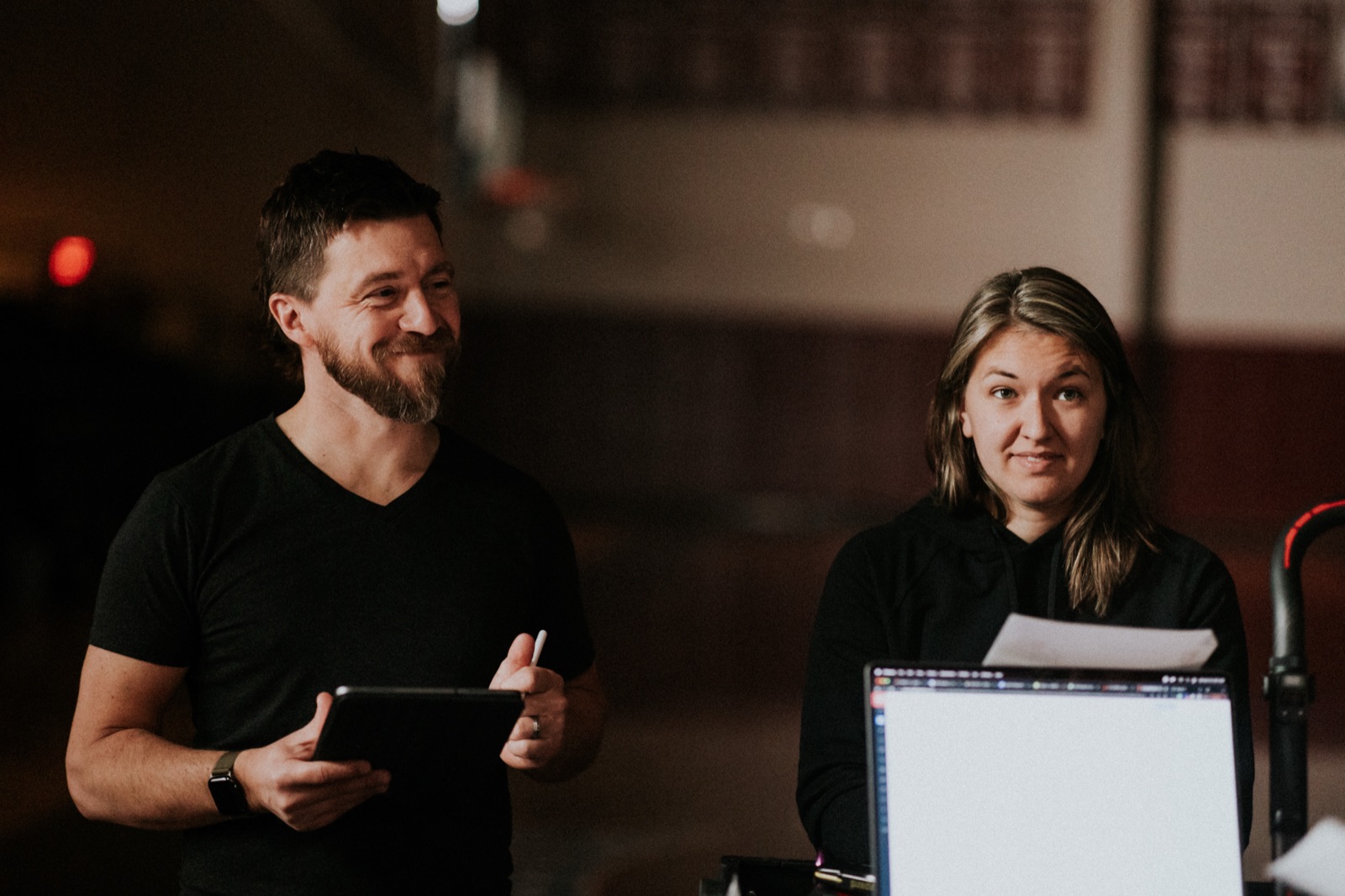
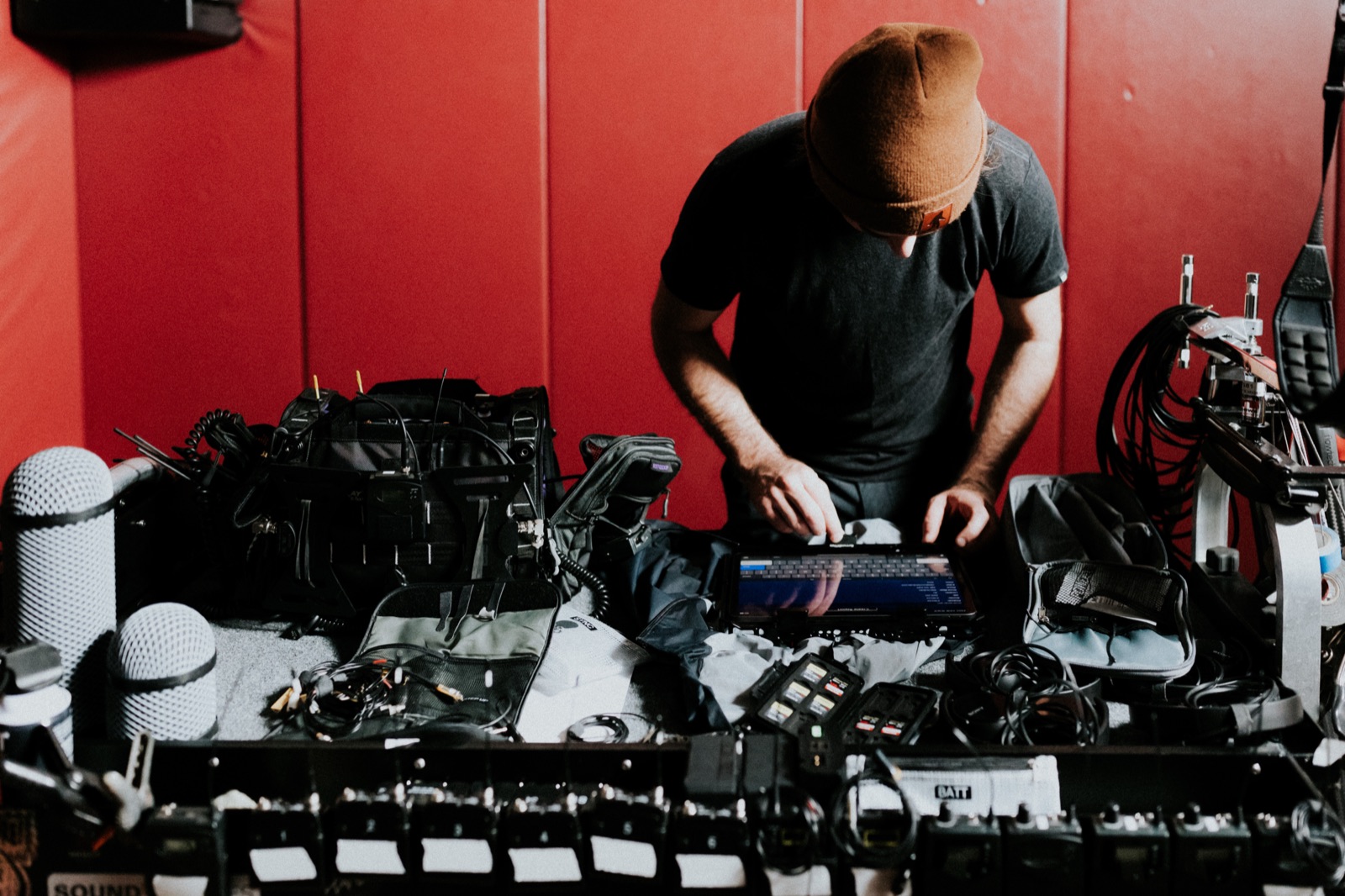
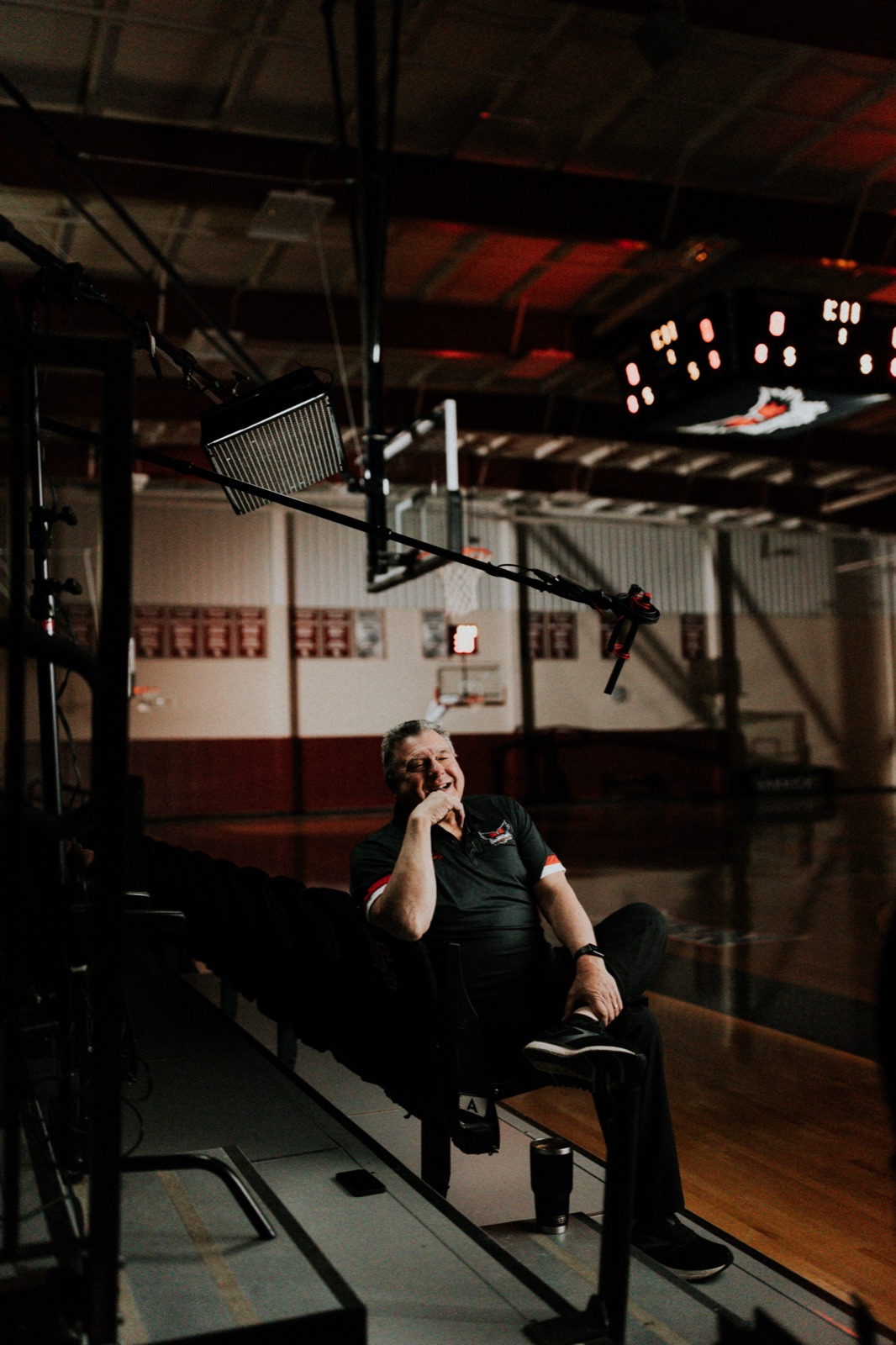
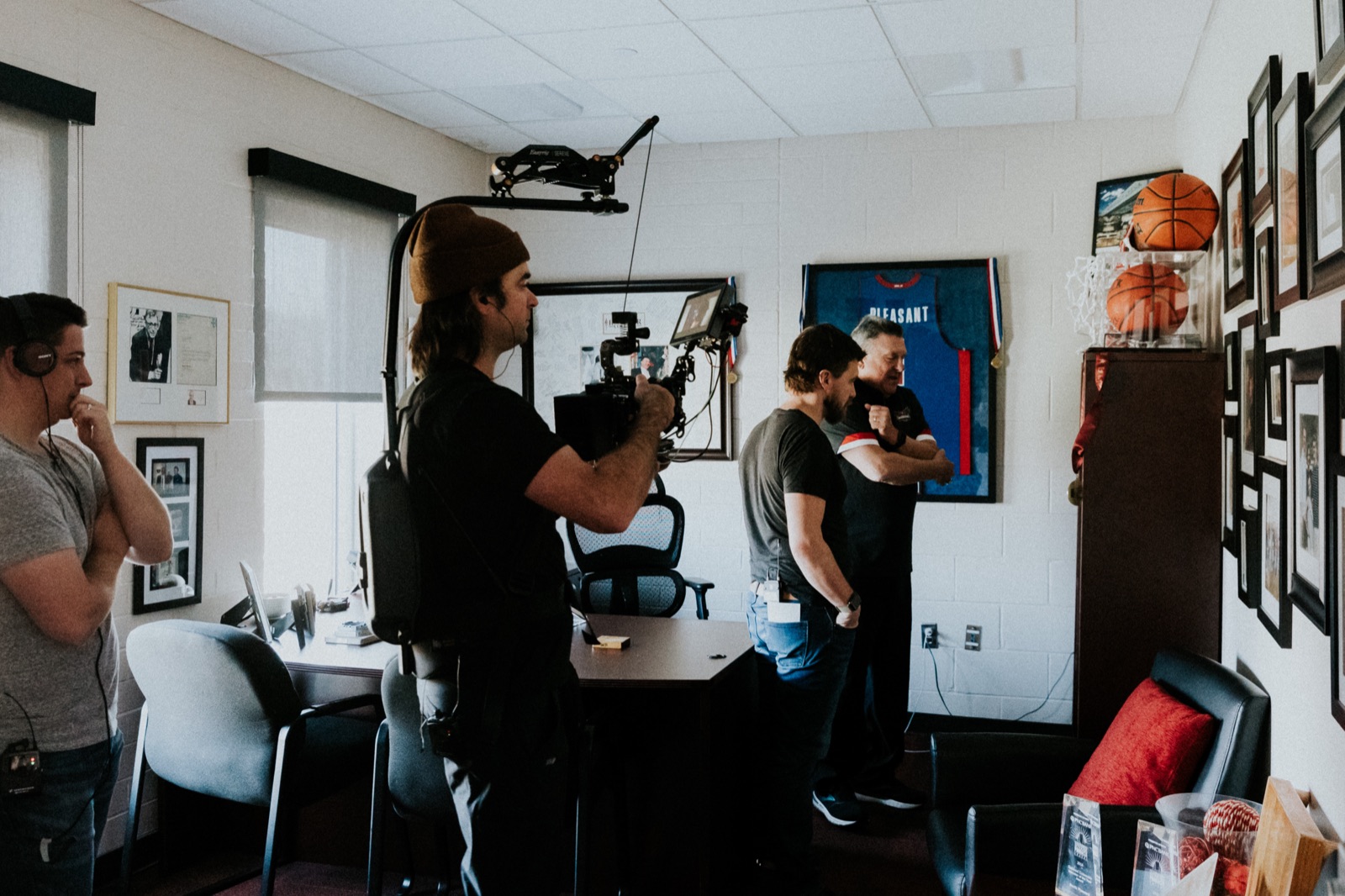
40 minutes. One legacy.
COACH: Make the Big Time Where You're At is a 40-minute documentary. It is, functionally, a sales tool for the university. It just never feels like one, and that is exactly the point.
Instead of a school talking about itself, the film lets the people whose lives were changed do the talking: students, alumni, community members, faculty, and staff. It premiered at a screening event that packed the room. And because we captured far more footage than any single film needs (on purpose), the university walked away with a deep library of material, not just one finished piece.
The full documentary
One film. A dozen jobs.
One documentary has done the work of a dozen separate videos. The university has put both the trailer and the full film to use across:
- Recruiting. Prospective students and families get to feel the place before they ever visit.
- Employee retention. Staff and faculty see the full weight of what they're part of.
- Marketing campaigns. A flagship story anchor instead of scattered one-off promos.
- Digital ads. Real footage, real faces, real emotion, which outperforms polished-but-hollow every time.
And the b-roll keeps giving. Years later, that footage library is still fueling social posts and new videos the school wants to build. A single production became an ongoing content engine.
There's a give-back at the center of all of it. It was a gift to Garth, honoring everything he'd poured into the school. It was a gift to the university, capturing its heartbeat, its values, and the proof that this little gem in the middle of Metro Detroit has been shaping people for decades, all over the world. And thanks to a donor, it was funded as an act of gratitude rather than a line item in a marketing budget.
They scope it as a deliverable, not an asset.
The default assumption is that a video has the shelf life of its launch. You make it, you post it, it does its thing for a season, and then it fades. So the project gets sized and budgeted like a one-time promo.
The schools that get real leverage think differently. A flagship story piece, built around a real person and a real legacy, is not one video. It is the source material for recruiting, fundraising, retention, ads, and years of content, all pointing back to the same emotional core. Build it once, build it right, and it keeps paying off across every department that touches it.
There's a second thing worth naming. A documentary like this is one of the most natural things a donor will ever fund. People who love an institution want to give something lasting, and honoring a beloved figure is far more compelling than adding to a general fund. The right story turns a marketing expense into a legacy gift.
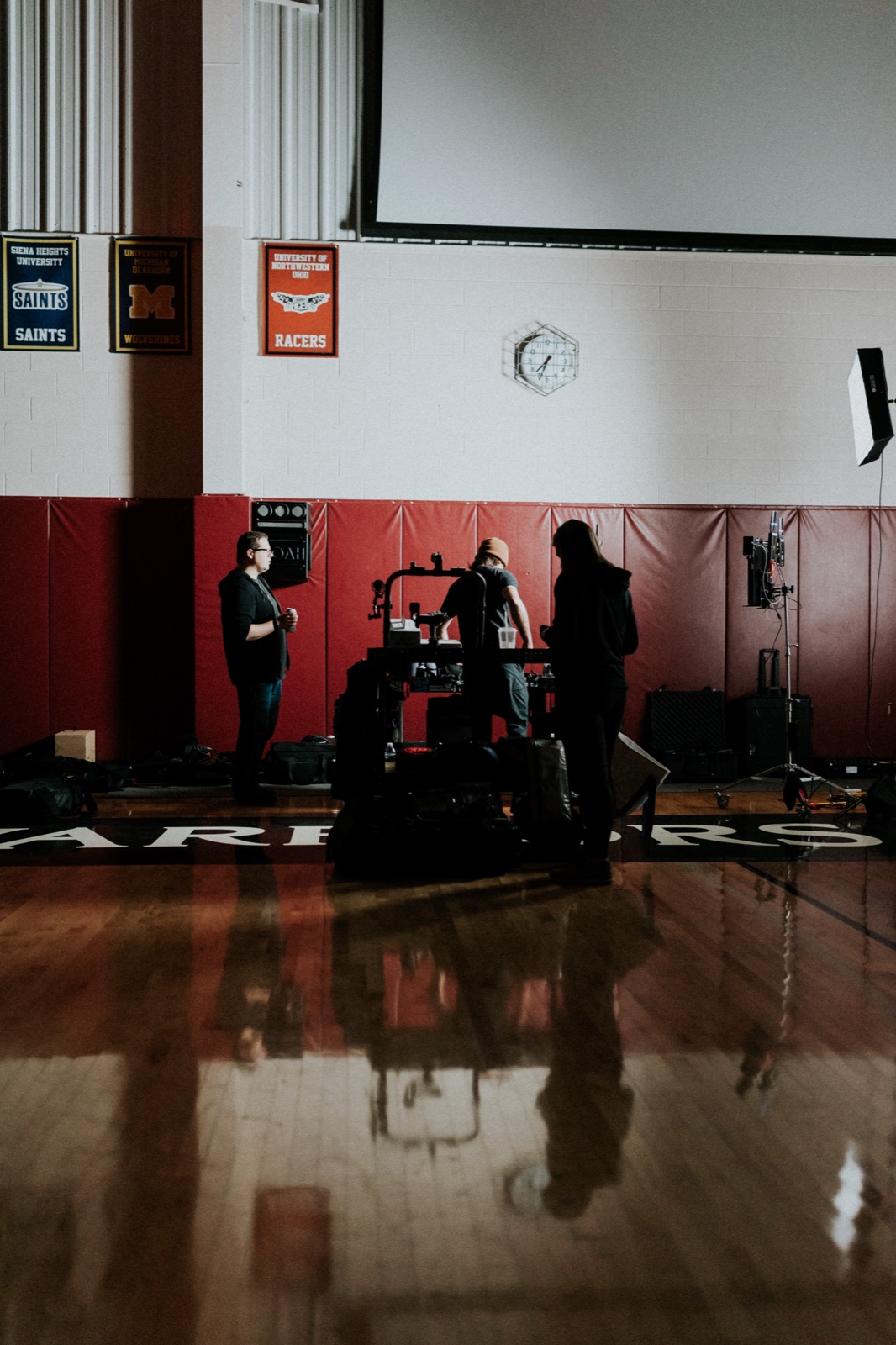
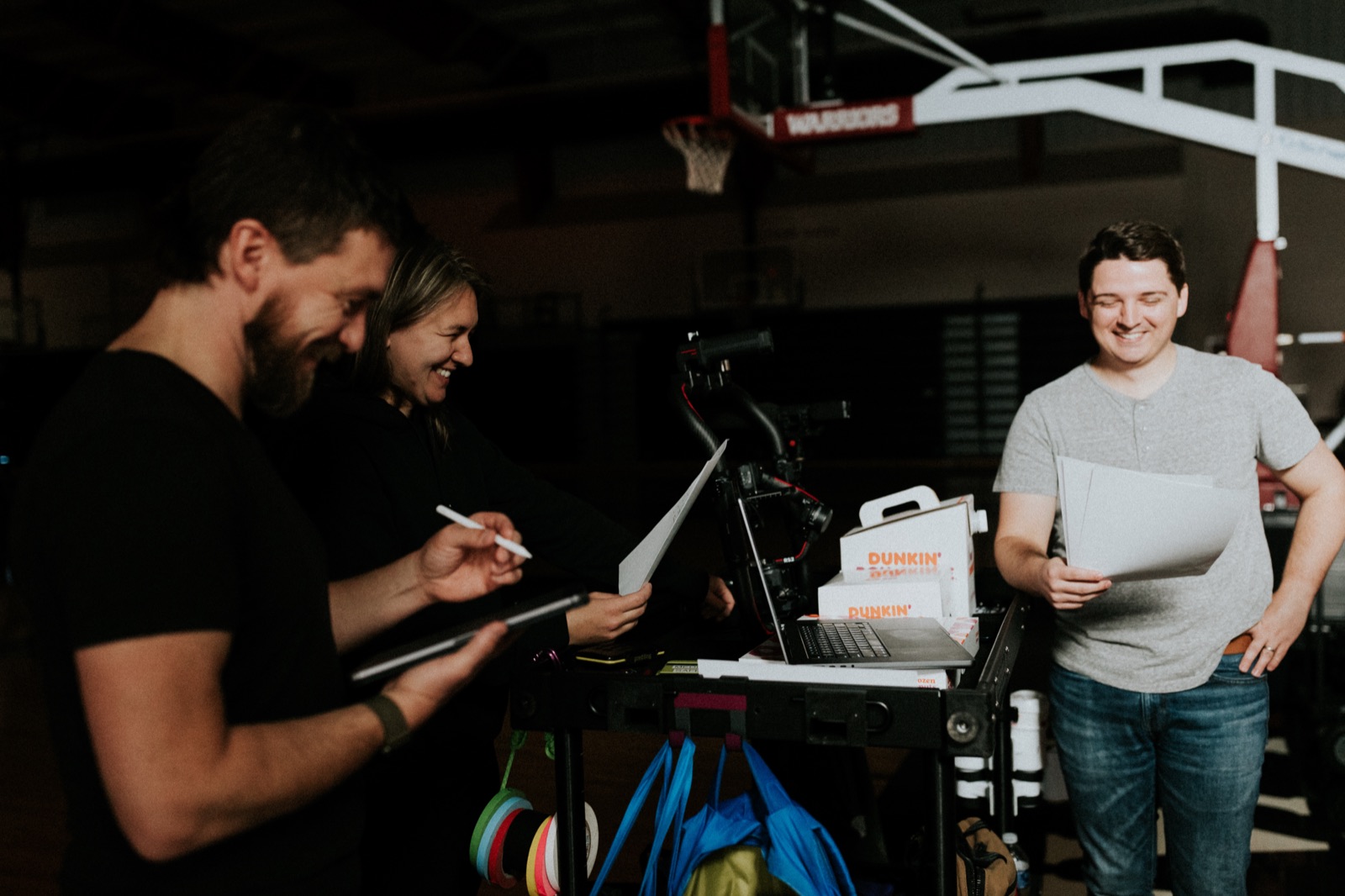
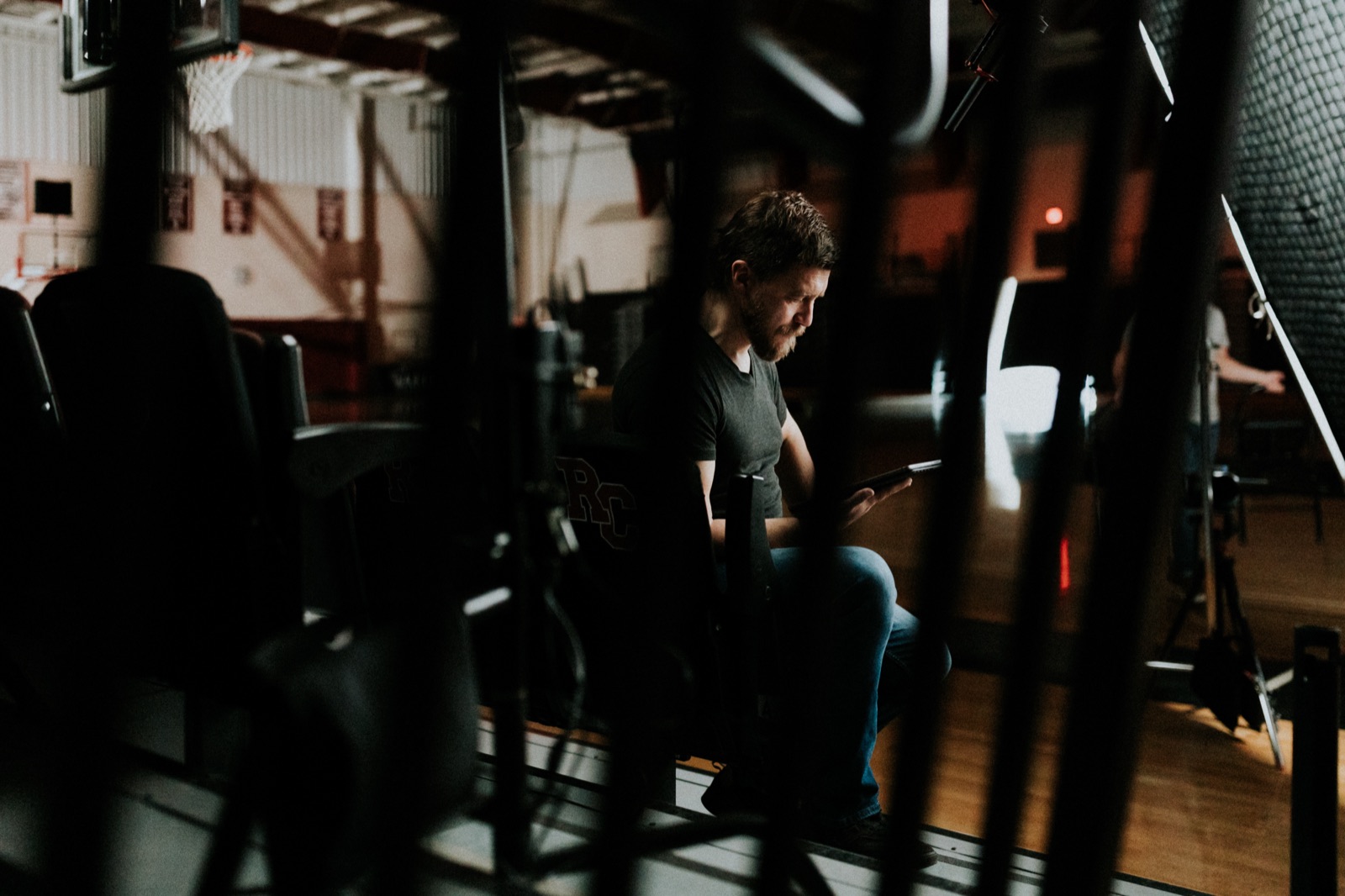
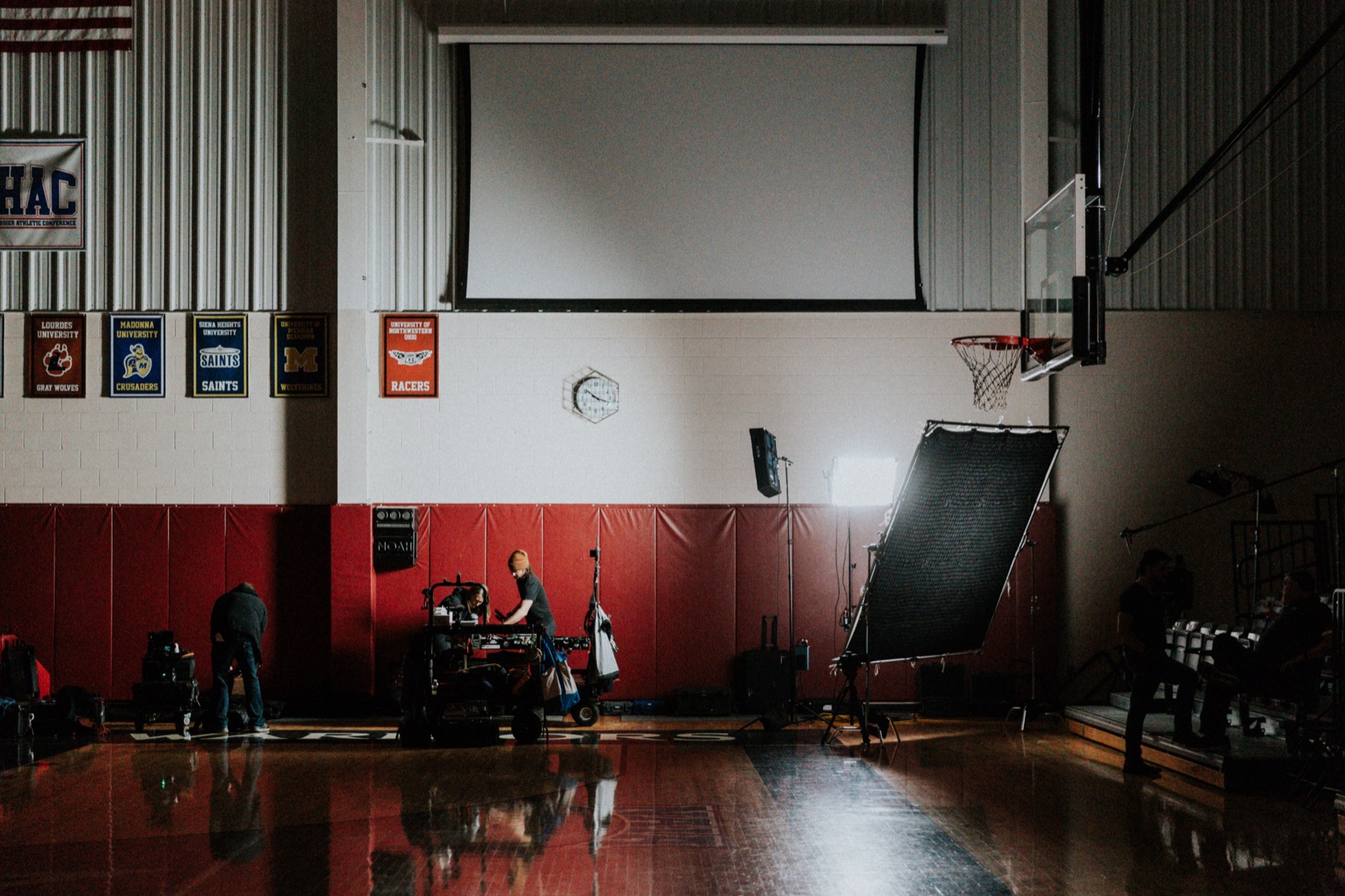
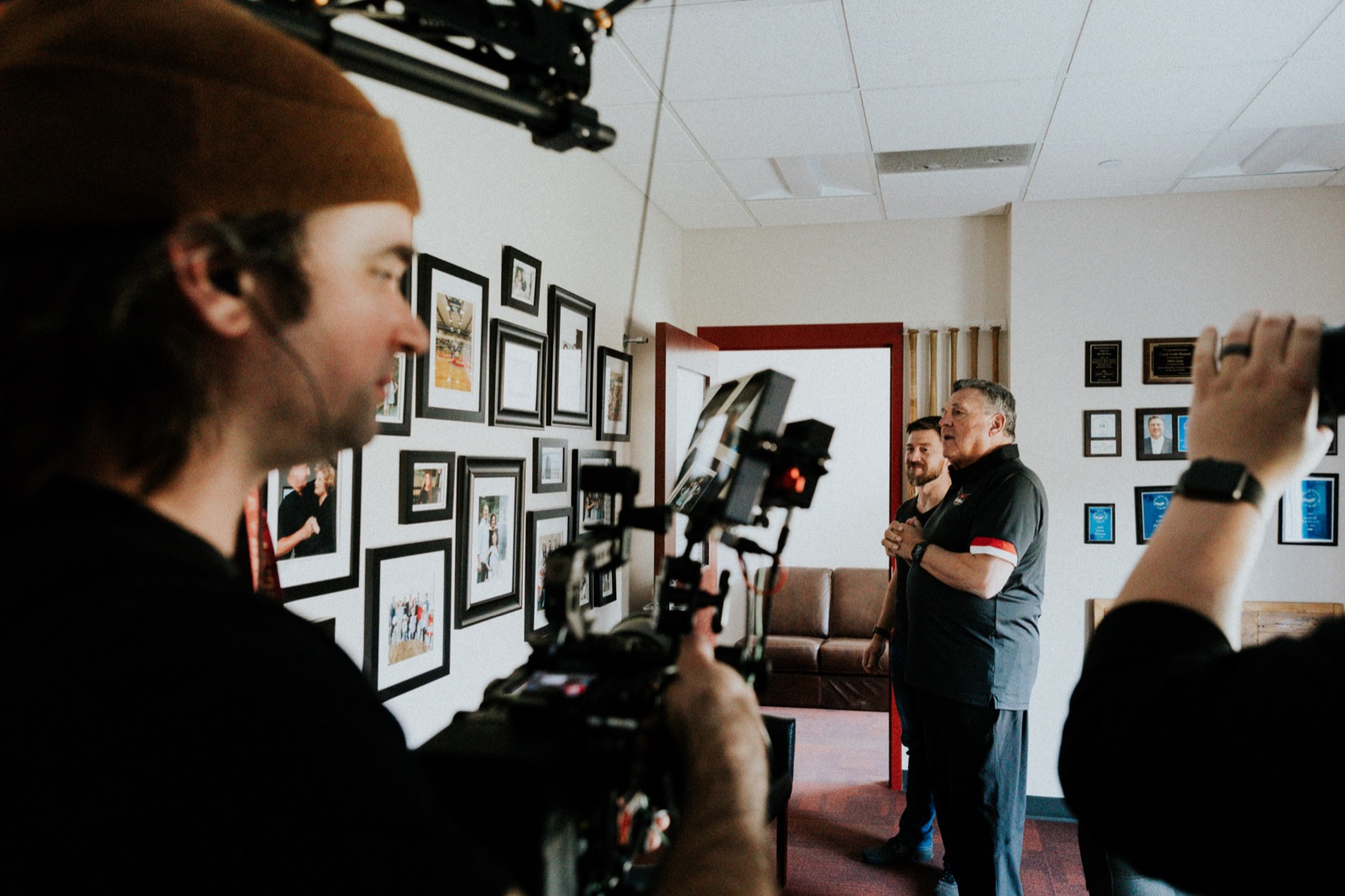
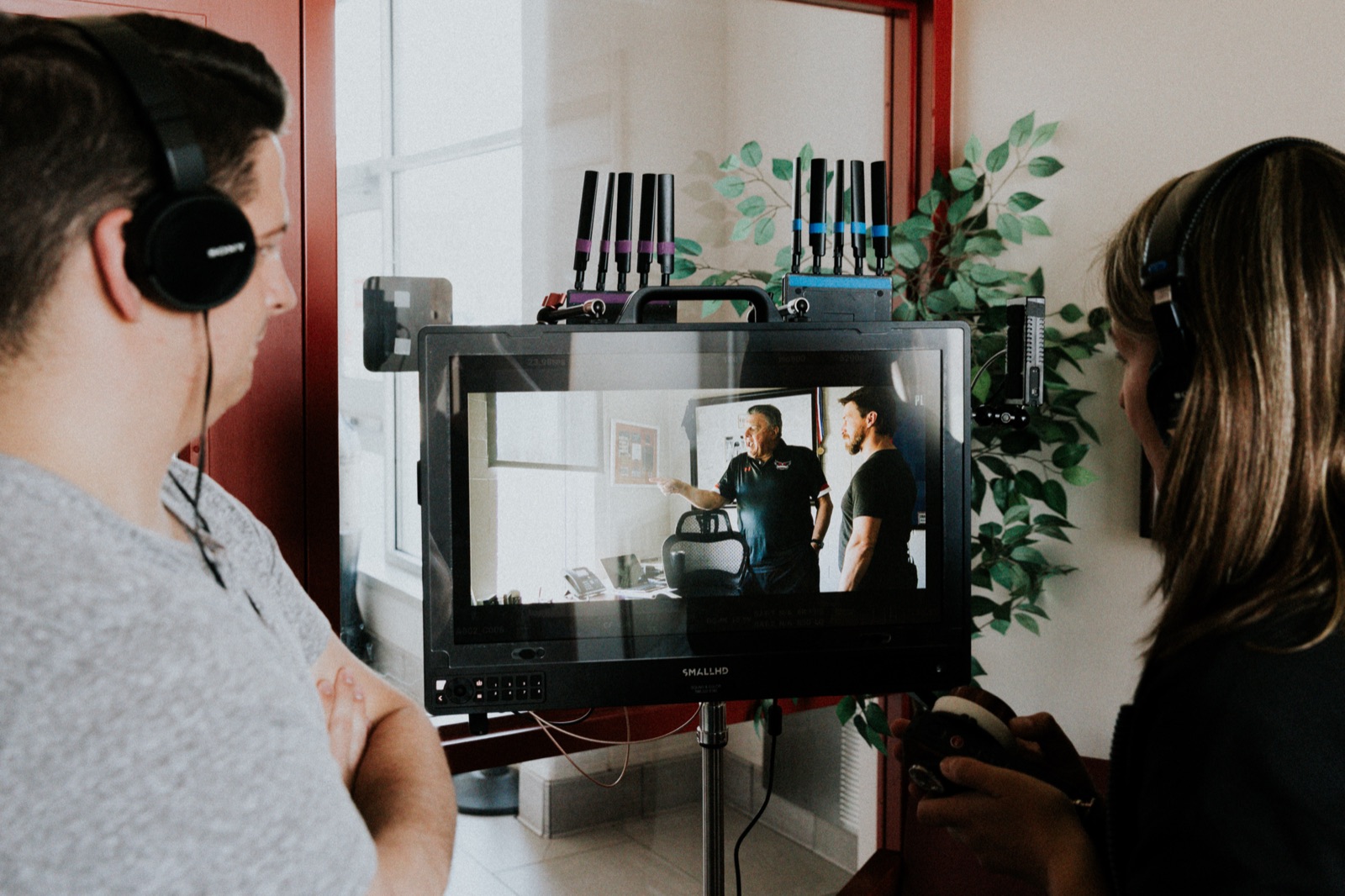
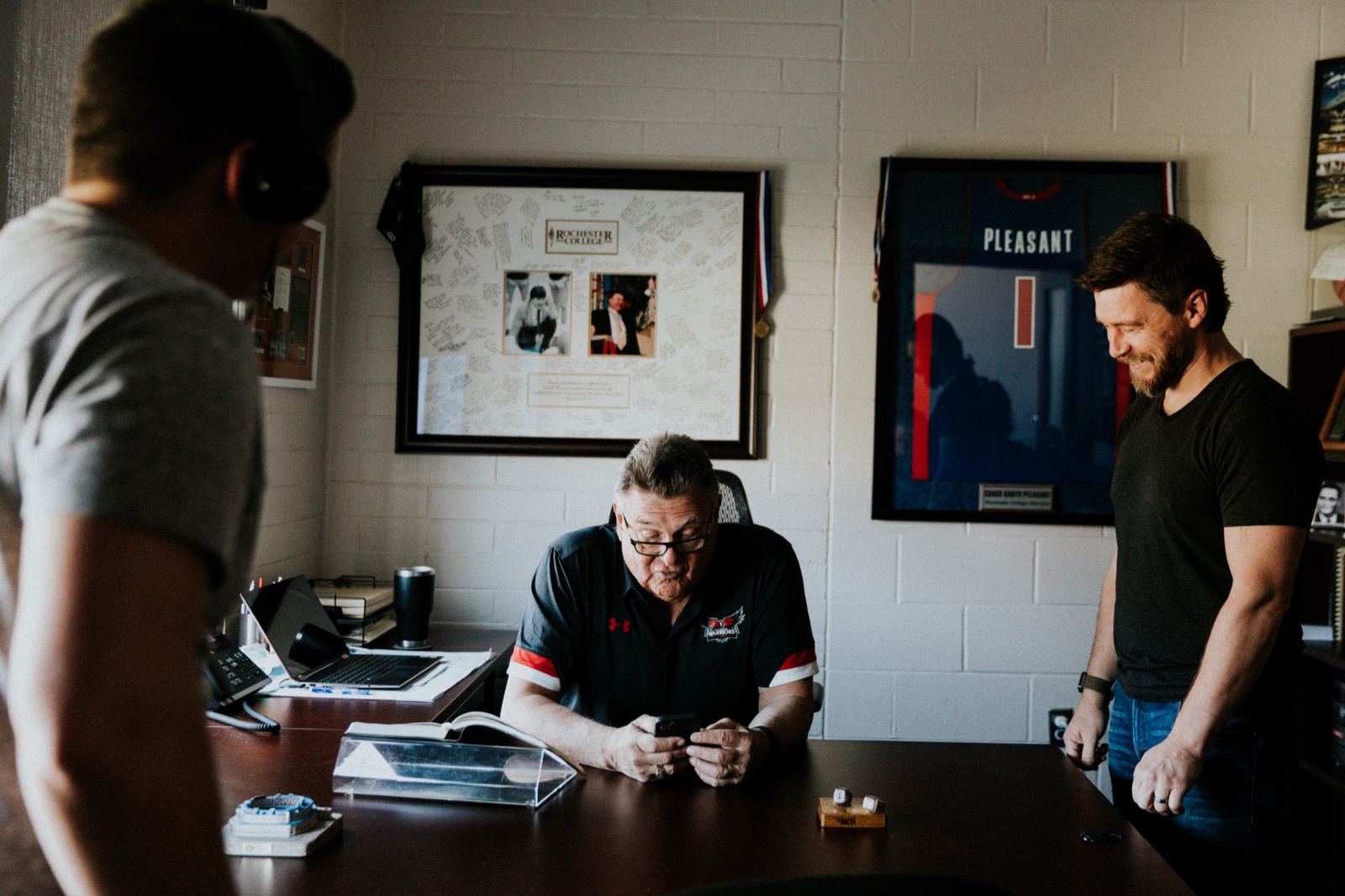
A look at how it came together.
Capture it before the moment passes.
This model fits schools and organizations that have a Garth of their own: a founder, a coach, a longtime leader, or a chapter of your history that deserves to be captured while the people who lived it are still here to tell it. It fits especially well when there's a donor looking for a meaningful way to give. It starts the same way this one did — a Storyline Workshop, two hours to get clear on the story, the audience, and what success actually looks like, before anyone spends real money on production. You leave with a blueprint either way.
If you have a story like Garth's sitting inside your institution, let's talk before the moment passes.